
artical
2025 U.S. Golf Cart Top 10 Brand Ranking List (And the Best Battery Upgrade for 48V Carts)
The U.S. golf cart market continues to grow as more clubs, resorts, campuses, and gated communities shift toward electric carts for quieter operation and lower maintenance. At the same time, owners are upgrading from lead-acid to lithium for longer range, stronger acceleration, and less hassle.
Below is a practical 2025 ranking-style overview of the most popular golf cart brands in the U.S.—plus a simple guide to choosing a lithium battery upgrade that fits how you actually use your cart.
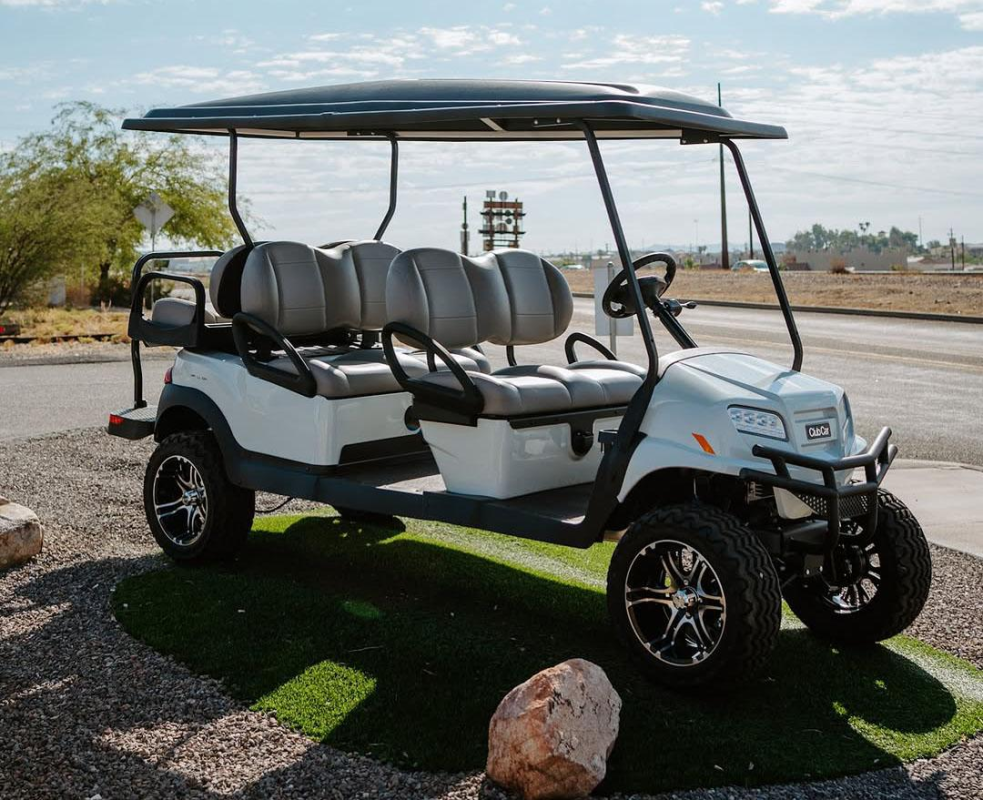
Quick Market Snapshot: Why Electric + Lithium Is Winning
Electric carts are becoming the default choice because they’re clean, quiet, and easier to maintain than gas carts. For many owners, the real performance jump comes from replacing lead-acid packs with a modern LiFePO4 lithium battery—especially if you drive often, carry passengers, live in a hot/cold area, or want stable power on hills.
Top 10 U.S. Golf Cart Brands in 2025
Here are 10 brands you’ll most commonly see across golf courses, neighborhoods, and commercial fleets:
| Rank | Brand | Founded | Parent Company | Primary Models / Types |
|---|---|---|---|---|
| 1 | Club Car | 1958 | Platinum Equity | Precedent & Onward; utility vehicles; street‑legal LSVs (e.g. CRU & Tempo) |
| 2 | E‑Z‑GO | 1954 | Textron Inc. | TXT & RXV electric & gas carts for golf, commercial, residential use |
| 3 | Cushman | 1919 | Textron Inc. | Commercial & utility UTVs for campuses, logistics, golf maintenance |
| 4 | Evolution | Early 2000s | Independent (California) | High‑performance 25 mph electric carts, modern styling for private users |
| 5 | Tomberlin | 2007 | Tomberlin Company | Quiet, comfortable electric PTVs for resorts and communities |
| 6 | ICON EV | 2017 | ICON Electric Vehicles | Sleek mid‑high‑end electric carts, priced $8K–$14K |
| 7 | Star EV | Early 2000s | Star EV Corporation | Street‑legal LSVs with safety features for community/urban use |
| 8 | Yamaha | 1978 | Yamaha Motor Corporation | Drive‑2 series gas & electric carts; known for durability & reliability |
| 9 | Garia | Early 2000s (Denmark) | Acquired by Club Car | Luxury street‑legal LSVs for resorts and high‑end users |
| 10 | Cricket | Mid‑2000s | Cricket Mini Golf Carts, Inc. | Ultra-light folding compact electric carts ideal for travel & residences |
The Common Upgrade Path: Lead-Acid → LiFePO4 Lithium
If you’re still using lead-acid, you’ve probably experienced at least one of these:
- Range drops fast over time
- Slow acceleration, especially with passengers or hills
- Long charging time and frequent maintenance
- Voltage sag (cart feels “weak” even when not empty)
A LiFePO4 lithium pack solves most of that by delivering more stable voltage, usable energy, and convenience.
How to Choose the Right Lithium Battery (Simple Checklist)
Before you buy, confirm these 5 things:
- Voltage match
Most common is 48V, but some carts are 36V or 72V. Match your system. - Current capability (BMS rating)
If you climb hills, tow, or carry a full load, you need a battery with a strong BMS so it doesn’t cut off under peak demand. - Charging compatibility
Lithium requires a lithium charging profile. Using the wrong charger can reduce lifespan or cause charging issues. - Weather protection
If you drive in wet/dusty conditions, an IP-rated enclosure helps. - Monitoring & diagnostics
App or screen monitoring makes it much easier to track battery health and avoid surprises.
Recommended Upgrade for 48V Carts: BasenGolfBattery 48V 105Ah (Includes Charger)
If your cart is 48V and you want a balanced “daily driver” upgrade (range + power + convenience), our most popular option is:
USA STOCK · 48V 105Ah LiFePO4 Golf Cart Battery (Includes Charger)
Why it works for real-world driving
- Up to ~50 miles per charge (varies by terrain, speed, and load)
- 200A BMS protection (built for stronger current demand)
- Mobile app monitoring (SOC, voltage, temperature, and more)
- IP65-rated enclosure for better dust/water resistance
- Includes a matching LiFePO4 charger, so you don’t have to guess compatibility
- Size/Weight reference: 510×325×265mm, 49kg
Charging time (what most owners care about)
With an 18A lithium charger, a typical full charge is around ~5.8 hours depending on remaining capacity and conditions.
Which Brand Owners Benefit Most From a 48V 105Ah Upgrade?
This upgrade is especially popular for:
- Club Car Precedent / DS / Tempo / Onward (48V models)
- E-Z-GO TXT / RXV (48V setups)
- Yamaha 48V carts where owners want better performance and less maintenance
If you’re unsure about your connector or charger type, use our site’s connector guide and choose a charger designed for your exact cart plug (Club Car / EZGO / Yamaha).
FAQ
Will this battery fit my cart?
Most 48V carts can be upgraded, but always confirm your battery tray space and voltage. If you’re not sure, send your cart model + year + tray measurements to our support team.
Can I use my old lead-acid charger?
No. Lithium requires a proper lithium charging profile. That’s why this kit includes a compatible charger.
What if I drive in rain or dusty areas?
The battery enclosure is built with IP65 dust/water protection for better reliability in real conditions.
Do I need an app?
You don’t “need” it, but it’s one of the easiest ways to monitor battery status and troubleshoot quickly.
Final Takeaway
Golf cart brands differ in styling, ride feel, and features—but for owners, the biggest performance improvement usually comes from the battery system. If your cart is 48V and you want a clean, reliable lithium upgrade with monitoring and a matching charger, the BasenGolfBattery 48V 105Ah (USA stock) is a practical upgrade that delivers strong day-to-day value.
