
artical
Golf Carts Are Leaving the Course — and Becoming America’s New Neighborhood Ride
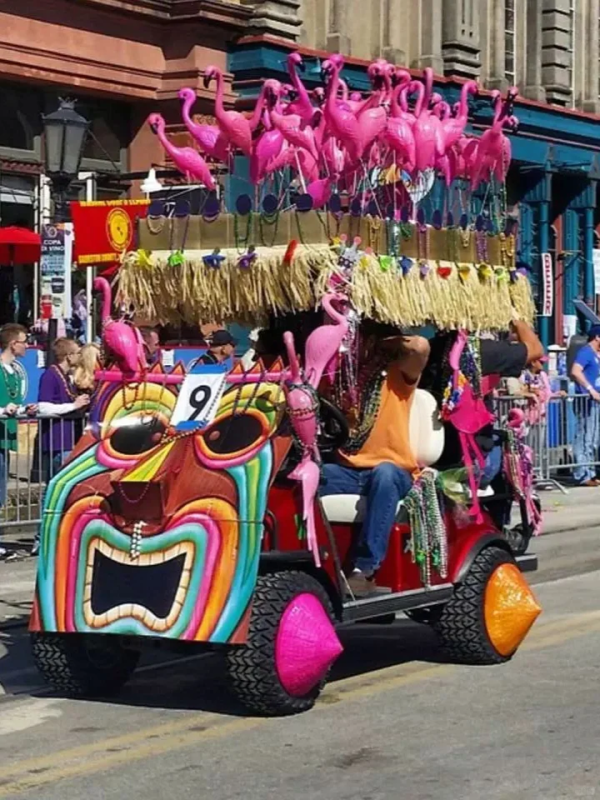
A parade on your block, not the back nine
Picture this: on a sunny afternoon in a quiet American neighborhood, a line of decked-out golf carts cruises past—string lights, flags, and big smiles. People wave from porches. Kids point. It feels less like a tee time and more like a community parade.
That scene is no longer limited to country clubs. From retirement communities to university campuses, supermarket parking lots to Fourth of July parades, golf carts have slipped off the fairway and onto local streets—quietly becoming a new way to get around.
Why golf carts are showing up everywhere
1) Cleaner, quieter local trips
Electric carts are low-noise and zero tailpipe emissions, perfect for short hops to the grocery store, mailbox, or a neighbor’s house. Many modern setups deliver up to ~30 miles per charge in real-world community use (driving style, payload, and terrain matter).
2) Rules that make room for slow traffic
In many parts of the U.S., regulations allow low-speed travel around neighborhoods and mixed-use areas. States and cities set their own rules, but the big idea is simple: keep carts on lower-speed roads and add basic safety gear where required. (More on that below.)
3) A “place to be,” not just a way to get there
In Arizona’s active-adult communities and Florida’s retirement towns, carts are social hubs. Think Sunday service runs, farmers-market shuttles, and holiday light parades. What used to be sports equipment is now a neighborhood identity.
4) Demand beyond golf
Retailers report that most new interest is off-course—for everyday errands and lifestyle use—helping the category grow into a multi-billion-dollar niche, even as broader vehicle markets have had ups and downs.
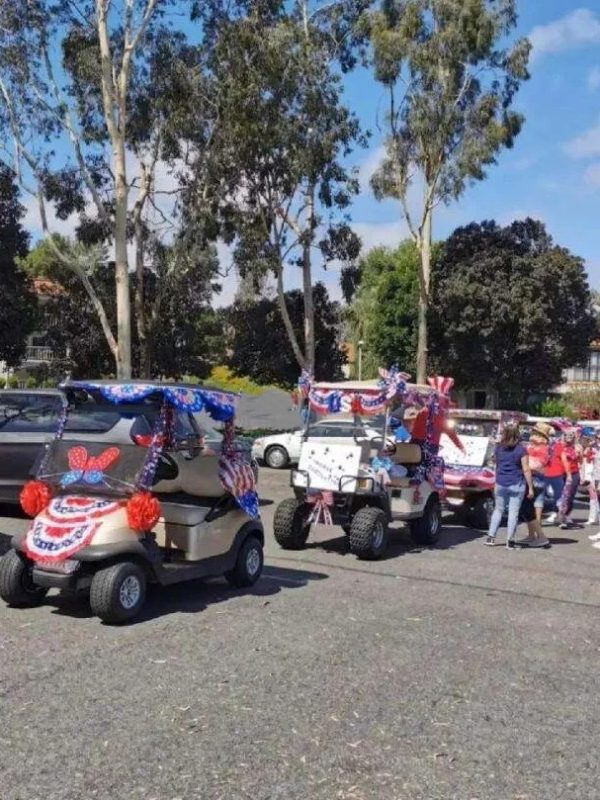
Can you drive a golf cart on the street? (Short guide—always check local law)
Golf cart vs. LSV (Low-Speed Vehicle)
- A golf cart is typically limited to neighborhood/municipal rules and may not need full road equipment.
- An LSV is a street-legal category in the U.S. (often 20–25 mph, allowed on roads with lower posted speed limits) and usually requires specific safety equipment (lights, reflectors, mirrors, seatbelts, etc.), registration/insurance, and compliance with local/state rules.
Common patterns you’ll see (varies by city/state):
- Allowed on roads posted at 25–35 mph or less.
- Night driving may require headlights/taillights/turn signals.
- Some jurisdictions require seatbelts, mirrors, reflectors, horn, windshield.
- Registration/insurance rules differ—ask your DMV or city first.
Bottom line: check your city/county website. If you want the broadest street access, consider an LSV-equipped cart that meets your state’s requirements.
Range, batteries, and charging (quick tips)
- Real-world range: For neighborhood use, plan around 15–30 miles per charge depending on speed, hills, passengers, and accessories.
- Lithium (LiFePO₄) vs. lead-acid: Lithium brings faster charging, longer life, less maintenance, and more consistent power. It’s a popular upgrade path for community driving.
- Charging: Match your system voltage (36V/48V) and plug type (E-Z-GO D-plug, triangle 3-pin; Club Car round 3-pin; Yamaha clover/2-pin). Use a smart charger and avoid lead-acid equalization on lithium packs.
- Cold weather note: Some lithium systems reduce or block charging at low temperatures—warm the pack/garage before charging.
Where people drive them (and why it works)
- Active-adult & retirement communities: Door-to-door convenience without firing up a car.
- College campuses & resorts: Short trips, frequent stops, light cargo—perfect cart territory.
- Downtown districts & beach towns: Low-speed zones, scarce parking, lots of eyes on the street.
- Parades & events: Holiday lights, local festivals—carts double as community floats.
Safety & courtesy checklist
- Stick to approved roads and posted speed limits.
- Make yourself visible: lights at dusk/dawn, reflectors, bright flags if required locally.
- Keep hands, feet, and gear inside the vehicle; secure coolers and cargo.
- Don’t overload; braking and stability matter at any speed.
- Be a good neighbor—slow for pedestrians, bikes, and pets.
The trend in one sentence
Golf carts are evolving from sports gear to neighborhood mobility—a cleaner, calmer way to connect the places we live, shop, worship, and celebrate.
Your turn
If street use is allowed where you live, would you use a golf cart as your neighborhood runabout—for quick grocery trips, the mailbox, church, or a Friday night parade?
Want help choosing a setup?
Whether you’re running 36V or 48V, lead-acid or LiFePO₄, we can match the right charger and plug for your E-Z-GO, Club Car, or Yamaha. Tell us your model and charging p
